Our research focuses on the molecular mechanisms of lung preservation, injury and repair. We incorporate state-of-the-art molecular techniques and advanced organ assessment methods for the immunomodulation of donor lungs. The Keshavjee lab leads the development and translation of critical care innovations into the patient clinic.
Interested in joining the Keshavjee Lab? Explore our research projects and discover how you can be a part of leading-edge research in lung transplantation.
RESEARCH
Lung transplantation is the only life-saving treatment for individuals with end-stage lung disease. Annually, more than 4,600 lung transplants are performed worldwide; however, clinically acceptable donor organs continue to be in short supply, with only 21% of available donor lungs being used for transplant. This leaves thousands of patients on global wait lists, where mortality rates are high.
For recipients who do receive a lung transplant, median survival time after the procedure is 6.7 years, with acute organ rejection affecting approximately one-third of patients within the first year of transplant.
Dr. Keshavjee’s research focuses on improving these conditions for all patients in need. His lab is currently investigating the advanced molecular mechanisms of lung preservation, injury and repair. He has led the development and translation of a number of critical care innovations into the patient clinic, including a successful extended lung preservation technique that has become the clinical standard worldwide (LPD, Perfadex®) and the Toronto Ex Vivo Lung Perfusion (EVLP) platform.
Select a title to learn more about the different research projects
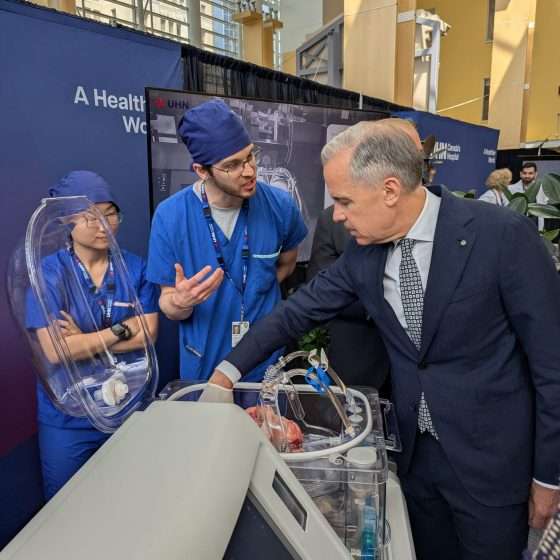
 During EVLP, donor lungs are placed in a sterile and protective dome outside of the body (“ex vivo”) and supplied oxygen, nutrients and other critical components that enable the lung to breathe on its own.
The Toronto EVLP system is a landmark achievement that has dramatically increased donor lung utilization rates and significantly improved recipient outcomes.
We can leverage EVLP system to enable the application of isolated innovative gene and stem cell therapies, leading to a true paradigm shift in lung transplantation: optimized donor organs for every patient in need of a life-saving transplant.
 Extending the length of time that lungs remain viable on EVLP—from the current maximum of 12 hours to three days—will significantly broaden the platform’s assessment and therapeutic potential. To this end, we are researching improved perfusate solutions to sustain metabolism during extended EVLP. Further, we aim to integrate dialysis during EVLP to remove electrolytes, metabolites and other waste products that accumulate in the perfusate and negatively impact homeostasis.
 Our research team has developed several groundbreaking diagnostic platforms to measure lung injury and predict future patient trajectory. We are currently leveraging new tools in Artificial Intelligence to develop InsighTx: a predictive algorithm that can help surgeons anticipate clinical acceptability of donor lungs for transplant, and expected post-transplant recipient outcomes.
 We are researching novel repair therapies that have the potential to prevent organ rejection and dramatically reduce post-transplant morbidity and mortality. These therapies include alpha-1 antitrypsin (A1AT) therapy, regulatory T cell therapy, B cell application and mesenchymal stromal cell treatments to prevent donor lung rejection and improve recipient health.
 Using revolutionary CRISPR/Cas9 gene editing technology, we can achieve our therapeutic vision of achieving long-term immunotolerance in donor lungs, which will significantly expand the donor organ pool and improve recipient outcomes. Most importantly, however, this approach will take significant steps towards eliminating the need for life-long and systemic immunosuppression after transplantation. We are researching CRISPR/Cas9-mediated endogenous gene expression of IL-10, a critical anti-inflammatory cytokine, and have made significant progress in our proof-of-concept pre-clinical models.
If you are interested in joining our lab, please contact us via the lab contact form. We continually recruit a wide range of positions, including postdoctoral fellows, scientific and research associates, graduate and undergraduate students, and volunteers.

DR. SHAF KESHAVJEE
Dr. Shaf Keshavjee is a Senior Scientist and Director of the Latner Thoracic Research Laboratories. He is also the Chief of Innovation at UHN. He holds appointments as Professor of Thoracic Surgery and Biomedical Engineering at the University of Toronto.
Dr. Keshavjee developed the Toronto Ex Vivo Lung Perfusion (EVLP) system, which has transformed how thoracic surgeons performs lung transplantation. During EVLP, a lung can remain physiologically active, enabling surgeons with the ability to objectively assess organ quality and make a more informed decision on whether to use the lung for transplant.
Importantly, the extended time that lungs can be held on EVLP has also enabled a critical time window for the application of novel, isolated therapies to repair injured donor lungs prior to transplant. To this extent, Dr. Keshavjee’s team has developed a number of precision diagnostics and novel repair therapies that maximize the potential of EVLP in the transplant clinic. Explore Dr. Keshavjee’s current research to discover more about his latest projects.
Keyword: Ex vivo lung perfusion (EVLP), lung transplantation, lung injury, lung regeneration, gene therapy, organ preservation precision, diagnostics and repair therapies for lungs, CRISPR-Cas9 Lung transplantation, translational research
Designations
- Chief of Innovation, UHN
- Co-Director, AI Hub@UHN
- Donald K Jackson Chair in Lung Transplant Research
- Director and Senior Scientist, Latner Thoracic Research Laboratories
- Professor, Division of Thoracic Surgery & Biomedical Engineering, University of Toronto
- Vice Chair for Innovation, Department of Surgery, University of Toronto
Awards and Recognition (selected)
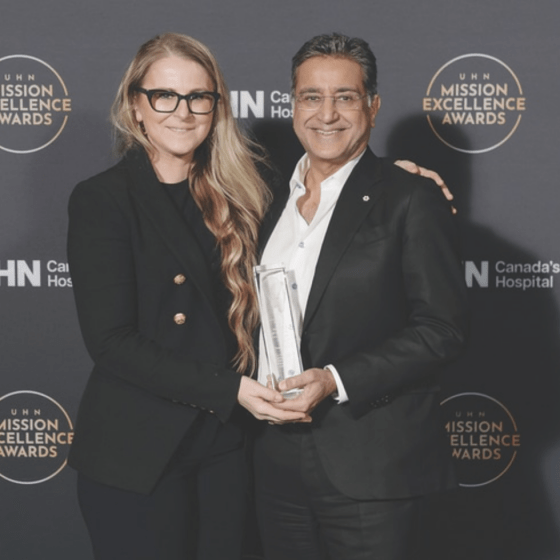
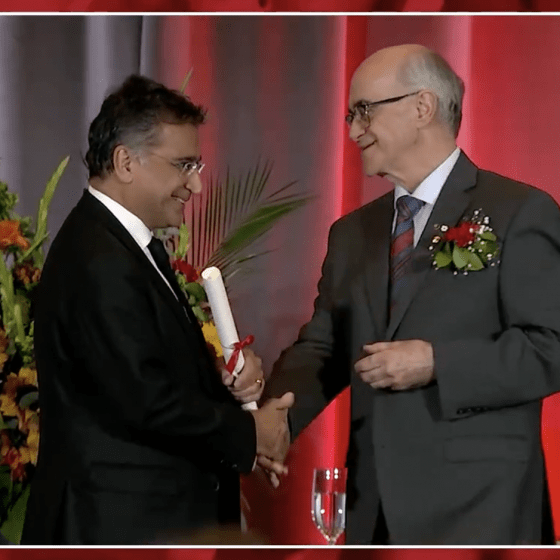
- Companion of the Order of Canada (2025)
- Fellow, Royal Society of Canada (2025)
- Medawar Prize, The Transplantation Society (2024)
- Elected to the College of Fellows, American Institute for Medical and Biological Engineers (AIMBE) (2023)
- Honorary Fellowship, Royal College of Surgeons of Edinburgh (2022)
- Lifetime Achievement Award, Canadian Blood Services (2022)
- President, American Association for Thoracic Surgery (2021)
- Flance-Karl Award, American Surgical Association (2021)
- Recipient, Governor General of Canada’s Innovation Award (2020)
- Inventor of the Year Award, University Health Network (2019)
- Innovation Award, American Society of Transplantation (2018)
- Member, Officer of the Order of Canada (2014)
- Queen Elizabeth II Diamond Jubilee Medal x2 (2012)
Clinical Research
Discover more about Dr. Keshavjee’s clinical work at the Toronto Lung Transplant Program —the largest lung transplant program in the world.


 Shaf Keshavjee
- Long-term outcomes and patterns of failure in patients with thymic malignancies treated with surgery and radiation therapy September 3, 2026
- The Effect Of A Two-Surgeon Review System On Donor Offers In Lung Transplantation At A High-Volume Center September 1, 2026
- Expanding Remote Patient Monitoring for Pre-Lung Transplant Candidates With Interstitial Lung Disease August 27, 2026
- MetaboSense: An Integrated Quantum Dot-Mediated Aptamer Assay and Modular Microfluidic Platform for Continuous In-Line Monitoring of Lung Metabolism During Ex Vivo Perfusion August 13, 2026
- Impact of ex vivo lung perfusion evaluation on donation after circulatory death in lung transplantation August 11, 2026
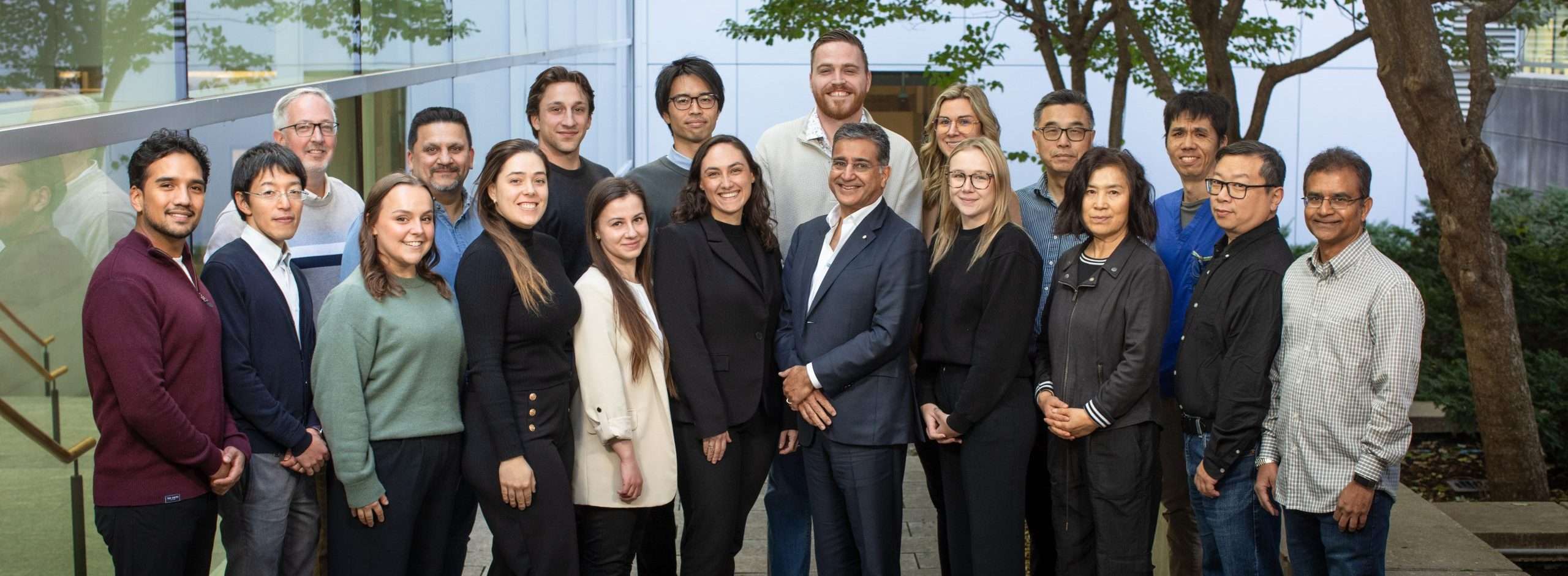
TEAM
Administrative Team

Paul Chartrand
Research Operations Manager
Ivone Gomes
Research Administrative Assistant
Jerome Valero
Research Strategy & Venture Manager
Dr. Jessica Kozlowski
Senior Research Manager
Madelaine Su-Wah-Sing
Research Administrative AssistantTechnical Staff

Manyin Chen
Organ Perfusion Specialist
Hemant Gokhale
Organ Perfusion Specialist
Hongchao Shan
Organ Perfusion Specialist
Rasheed Ghany
Database Manager
Olivia Hough
Scientific Associate
Erika Kurtz
Biobank Technician
Ella Arustei
Research Technical Assistant
Marcelo Cuesta
Manager, Biobank
Johannes Teselink
Clinical Research Coordinator II
Zehong Guan
Senior Lab Technician
Rachel Cowie
Research Technical Assistant
Humaira Murshed
Research Technician IICurrent Lab Members

Dr. Akihiro Nagoya
Postdoctoral FellowProject: LNP-mediated delivery of novel therapeutics to donor lungs on EVLP

Dr. Daniele Evangelista
Postdoctoral FellowProject: Localization of therapeutic molecules in donor lungs on EVLP

Dr. Ana De Avila
Postdoctoral FellowProject: Novel therapeutic approaches for Pulmonary Fibrosis
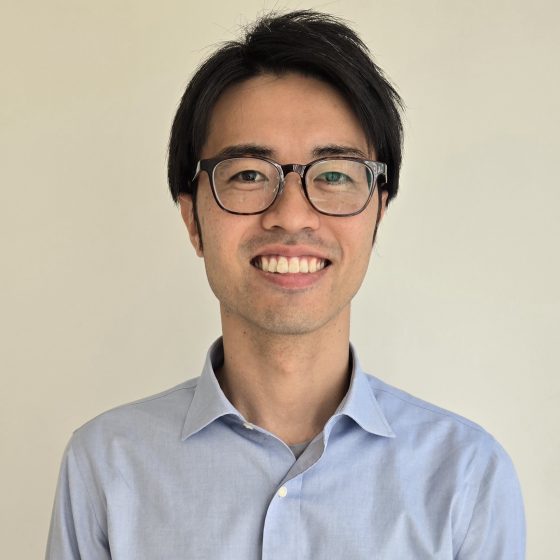
Dr. Naoki Date
Postdoctoral FellowProject: Organ preservation solutions

Dr. Beatrice Fung
Postdoctoral FellowProject: Development of a Temperature-Tolerant CRISPR System for Ex Vivo Donor Lung Engineering
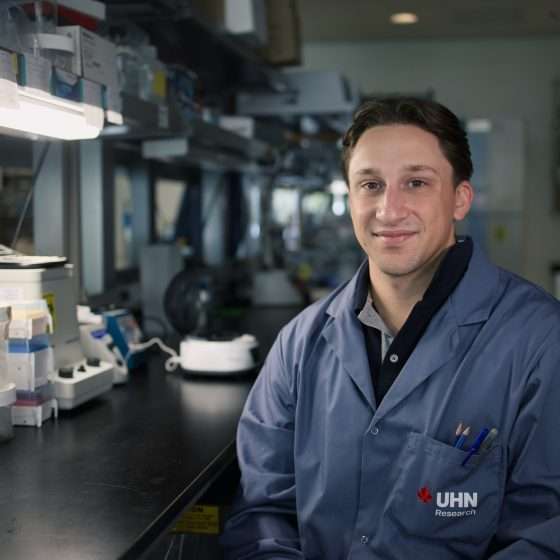
Ryan Getty
MSc StudentProject: Cold-tolerant CRISPR-Cas9 for genome editing at low temperatures
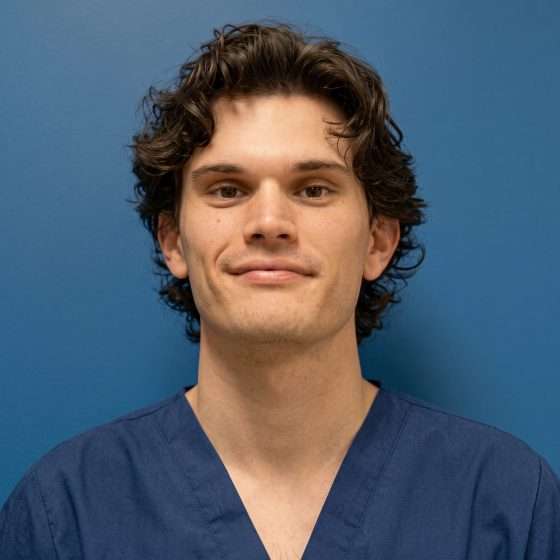
Benjamin Caesar
MSc StudentProject: Preservation solutions for LNP-mediated gene therapy
Team Photos
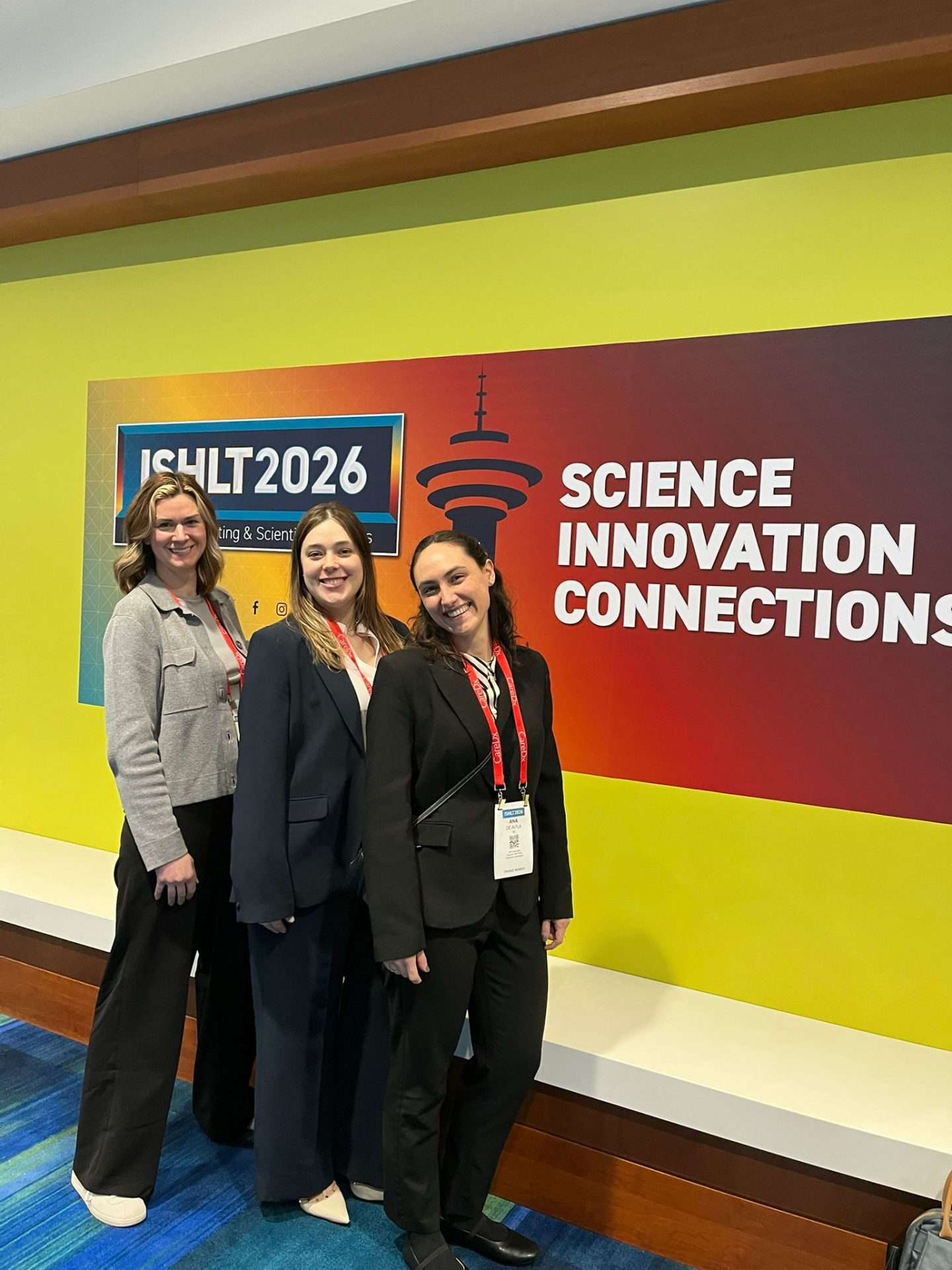
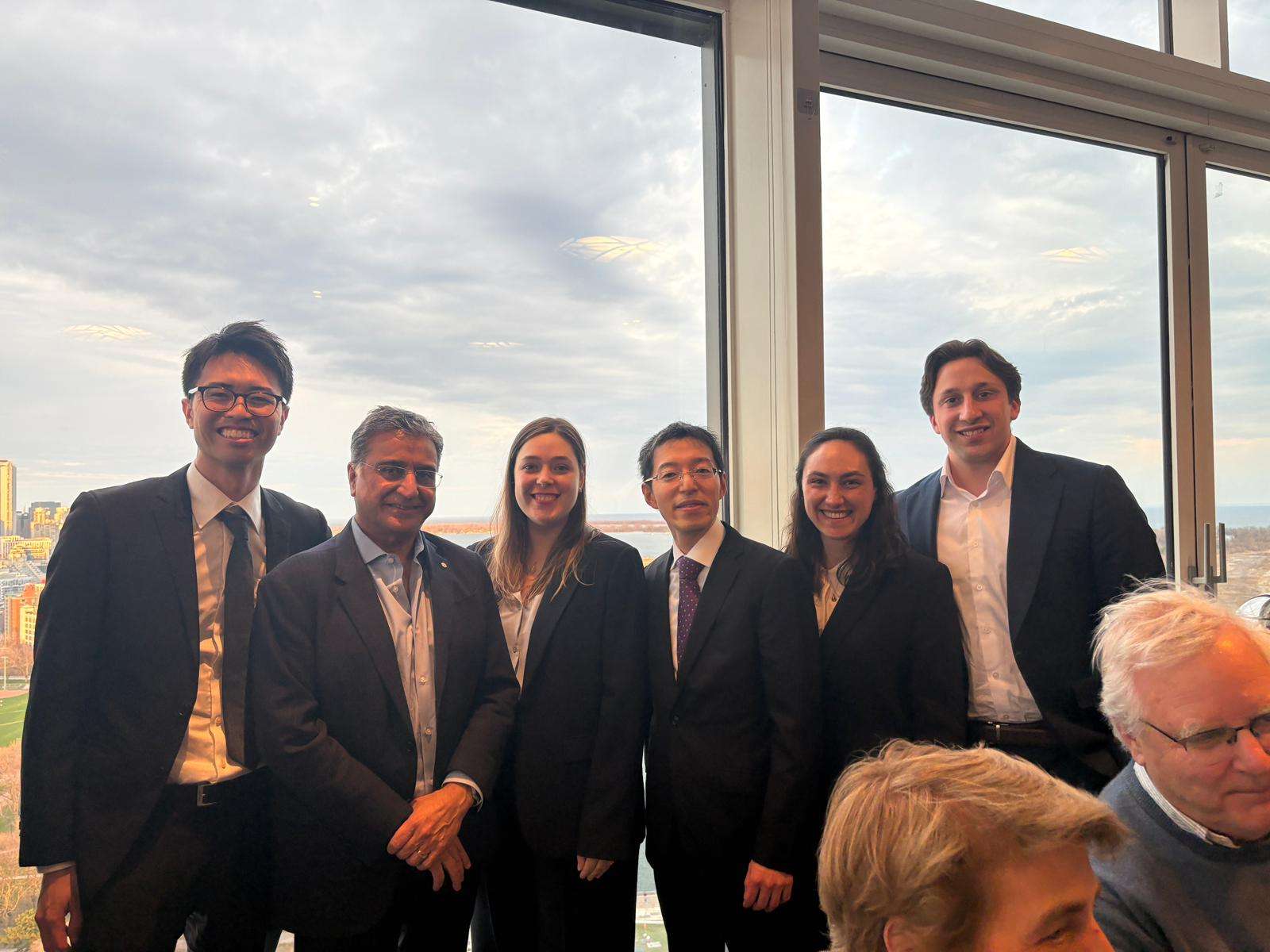
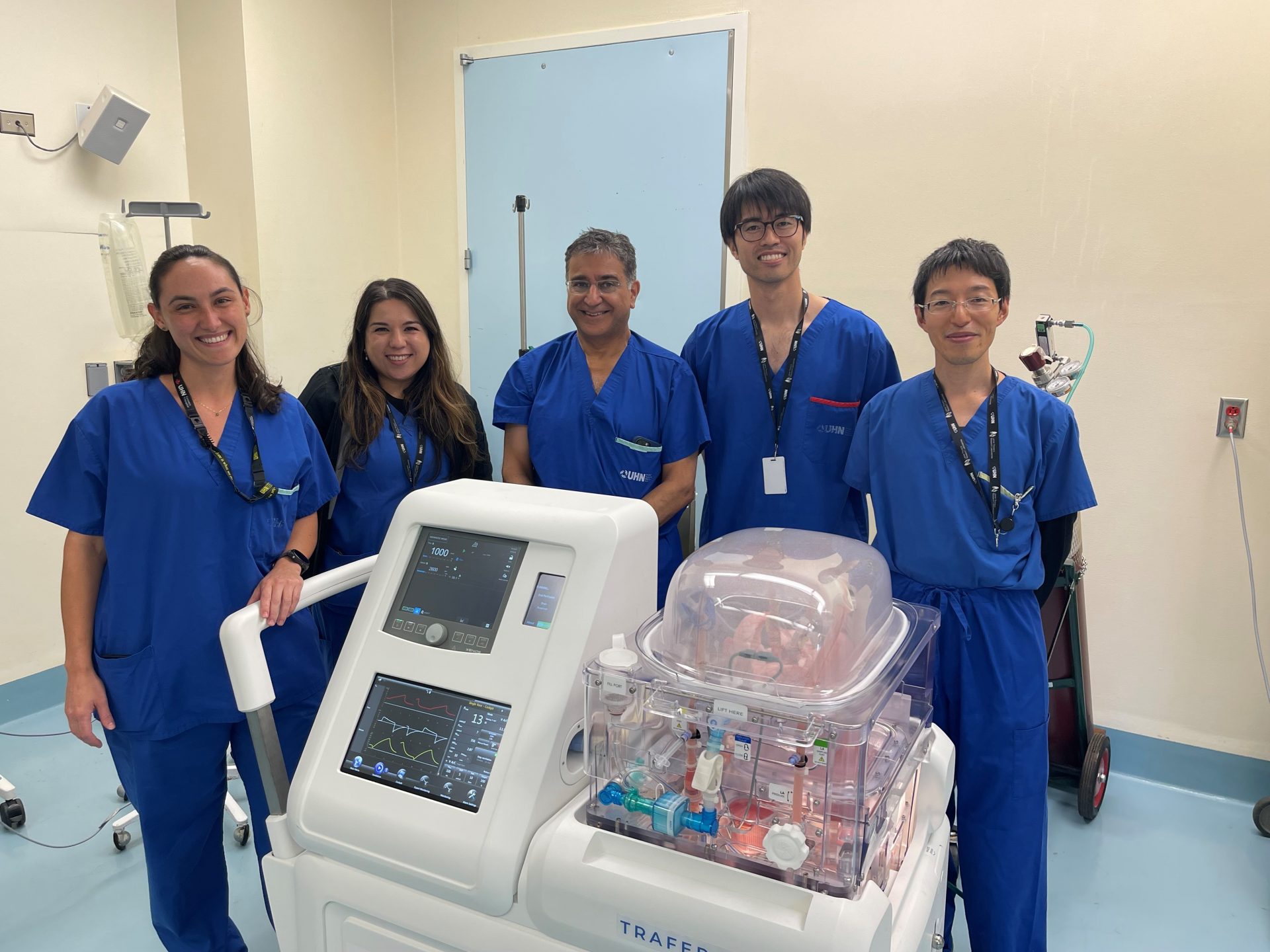
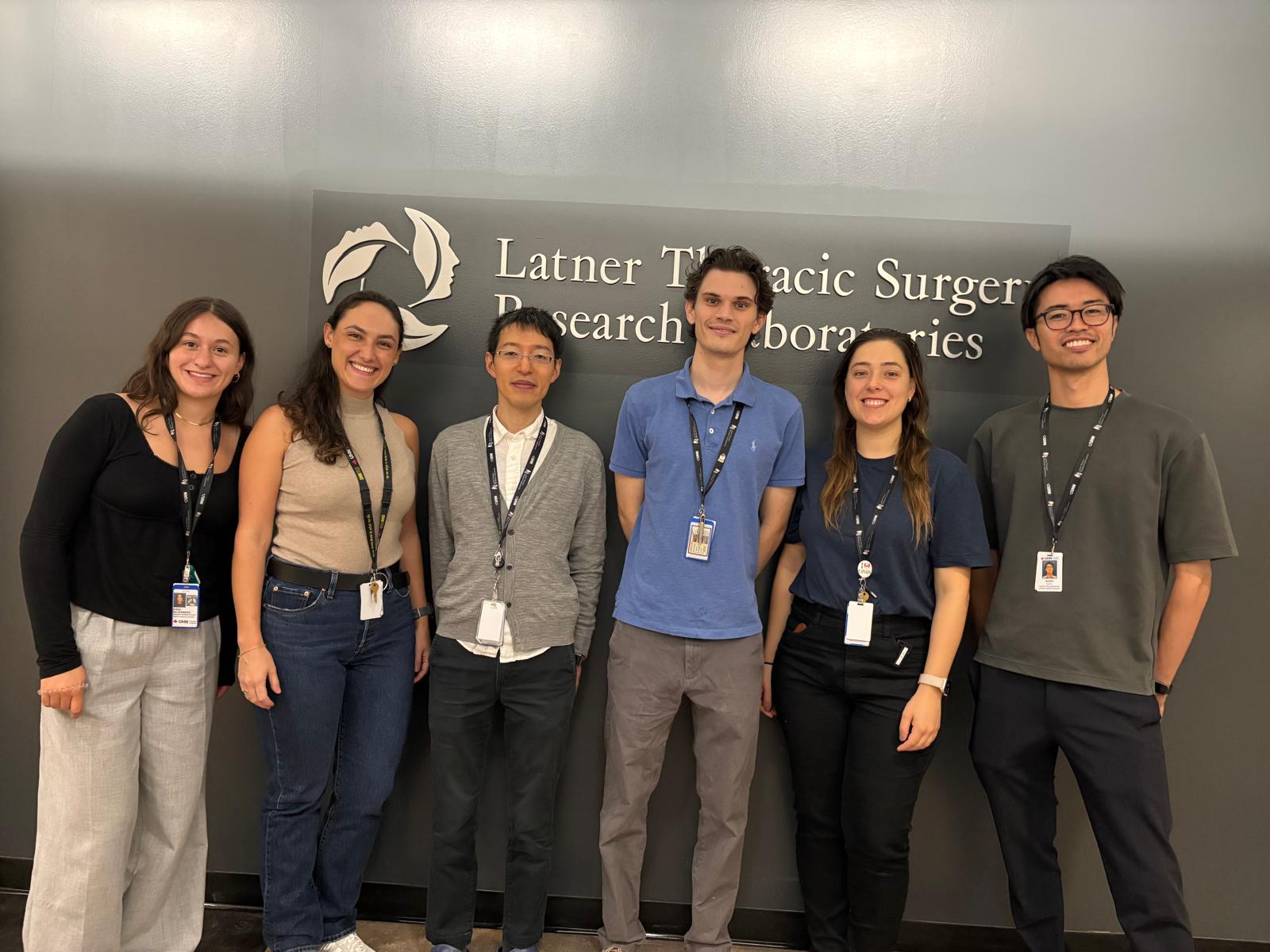
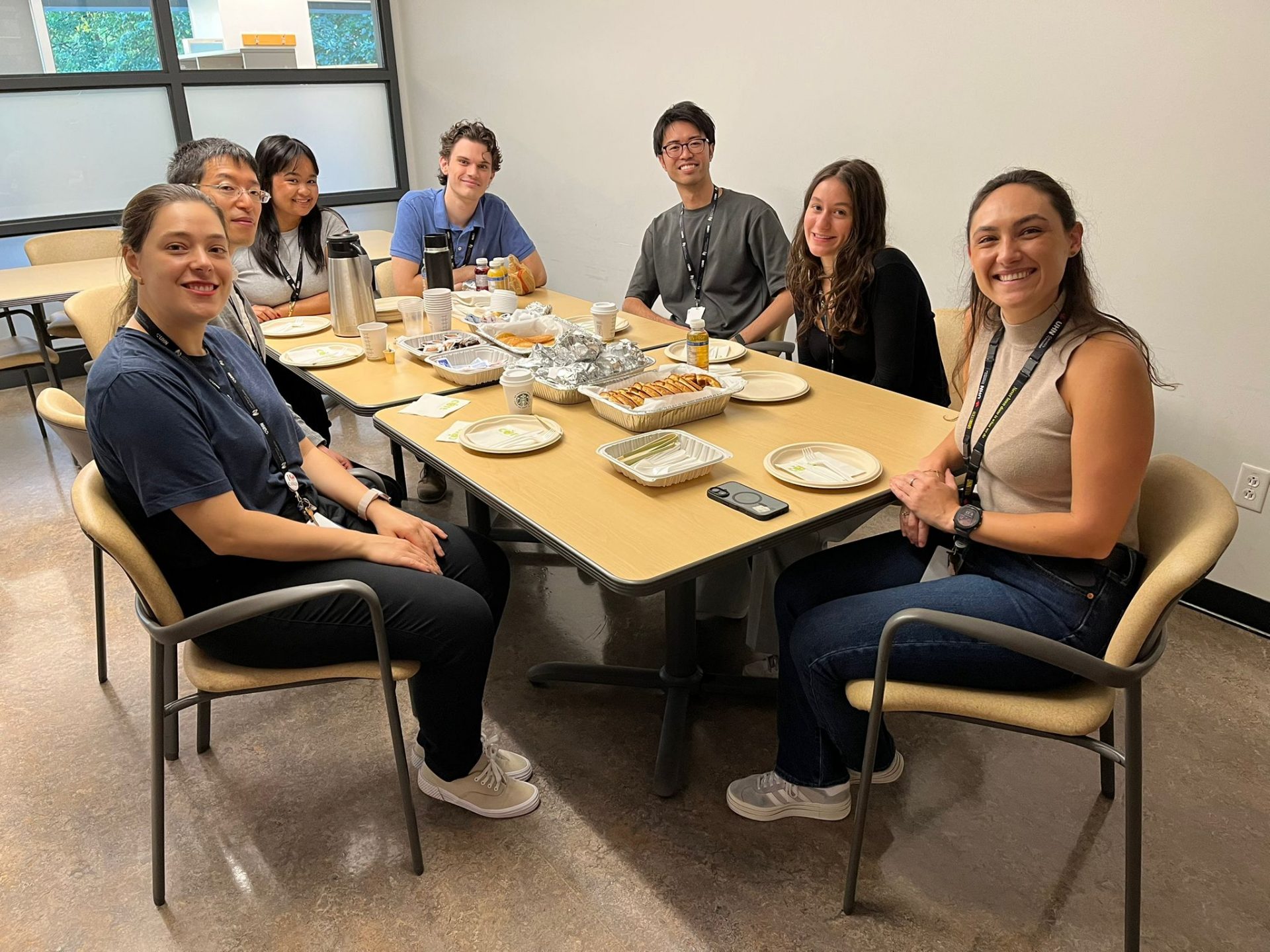


Keshavjee Lab Alumni

Kumi (Mesaki) Nakajima, MD PhD
09.2019-06.2025
Japan

Nobuyuki Yoshiyasu, MD
07.2022-08.2024
Japan

Haruchika Yamamoto, MD
04.2021-01.2024
Japan

Hossein Mousavi, PhD
05.2020-03.2021
Canada

Mitsuaki Kawashima, MD
11.2019-07.2023
Japan

Antti Nykanen, MD PhD
09.2018-08.2020
Finland

Akihiro Takahagi, MD
00.2018-10.2020
Japan

Mamoru Takahashi, MD
06.2016-03.2018
Japan

Ei Miyamoto, MD
07.2016-00.2019
Japan

Tatsuaki Watanabe, MD
01.2016-12.2018
Japan

Yohei Taniguchi, MD
12.2015-12.2016
Japan

Andrew Sage, PhD
05.2015-07.2018
Canada

Chihiro Konoeda, MD
10.2014-08.2017
Japan

Takashi Kanou, MD
04.2014-02.2018
Japan

Jin-Gu Lee, MD
03.2013-03.2015
Korea

Hisashi Oishi, MD
06.2012-08.2016
Japan

Virginia Linacre, MD
04.2012-05.2013
Chile

Daisuke Nakajima, MD
07.2012-06.2016
Japan

Kohei Hashimoto, MD
05.2012-12.2014
Japan

Riccardo Bonato, MD
01.2012-07.2014
Italy

Tiago Machuca, MD
06.2011-12.2013
Brazil

Yasushi Matsuda, MD
07.2009-12.2012
Japan

Terumoto Koike, MD
12.2008-09.2011
Japan

Marcelo Cypel, MD
01.2008-06.2011
Brazil

Dirk Wagnetz, MD
07.2007-06.2009
Switzerland

Masaki Anraku, MD
01.2007-05.2011
Japan

Shin Hirayama, MD
04.2006-07.2010
Japan

Marco Mura, MD PhD
07.2003-06.2005
Italy

Takashi Yoshimura, MD
04.2003-03.2005
Japan

Andre Dutly, MD
06.2002-12.2005
Switzerland

Cristiano Andrade, MD
07.2002-12.2004
Brazil

Hiroyuki Kaneda, MD
05.2002-07.2004
Japan

Masaomi Yamane, MD
07.2001-07.2003
Japan

Frank D’Ovidio, MD
01.2001-01.2002
Italy

Saulo Martins Filho, MD
01.2000-06.2002
Brazil
Alexandra MacLean, MD
01.2000-12.2002
Canada
Noritaka Isowa, MD
04.1997-07.1999
Japan

Lianne Singer, MD
01.1997-06.1997
Canada

Alexandre Martins Xavier, MD
01.1996-06.1998
Brazil

Annette Boehler, MD
01.1995-12.1997
Switzerland

Elly (Xuanzi Zhou), PhD Candidate
01.2023-01.2024
Canada

Bonnie (Tso Yu) Chao, PhD
09.2021-05.2024
Canada
Kumi Mesaki, MD PhD
09.2019-12.2023
Japan

Jonathan Yeung, MD PhD
07.2007-06.2011
Canada

Masaaki Sato, MD PhD
09.2002-10.2008
Japan

Andrea Mariscal, MD PhD
01.2016-09.2019
Spain

Diana Vucevic
06.2020-06.2022
Canada
Bonnie (Tso Yu) Chao, PhD
09.2019-08.2021
Canada

Lindsay Caldarone, MD
09.2016-06.2018
USA
Andrew (Hei Yu) Cheung
09.2015-01.2018
Canada

Ilker Iskender, MD
09.2012-09.2014
Turkey
Marcelo Cypel, MD
01.2006-06.2008
Brazil

Syed Quadri, MD
01.2001-09.2003
Canada
Lorne Segall, MD
01.2001-01.2004
Canada

Marc de Perrot, MD
01.2000-01.2002
Canada

Stefan Fischer, MD
09.1998-06.2000
Germany

Stephen Cassivi, MD
01.1996-09.1998
Canada

Andrew Pierre, MD
01.1995-02.1997
Canada
LAB NEWS