PI

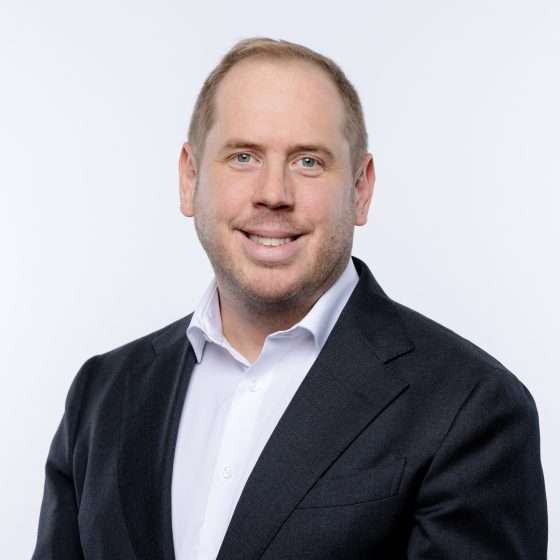
Jonathan Yeung

900 900 Latner Labs
Keywords: Genomics, Bioinformatics, Translational medicine, Molecular diagnostics, Esophageal adenocarcinoma, Lung transplantation

Jonathan Yeung, MD, PhD, FRCSC

Associate Professor, University of Toronto

We are dedicated to the field of translational molecular biology and use cutting-edge genomics technologies. Our research focuses on two critical areas: understanding the complexities of esophageal adenocarcinoma and enhancing diagnostics in lung transplantation. By integrating innovative genomic approaches with clinical insights, we aim to uncover new therapeutic strategies and improve patient care.

Kazuhiro Yasufuku

1024 1024 Latner Labs
Keywords: Endobronchial Ultrasound (EBUS), Endoscopy, Minimally Invasive Transbronchial Diagnosis and Therapeutics, Microsamples, Nanotechnology, Device development, Translational Research, Image Guided Surgery, Education

Kazuhiro Yasufuku, MD, PhD, FRCSC

Head, Division of Thoracic Surgery, University Health Network

FG Pearson – RJ Ginsberg Chair in Thoracic Surgery

William Coco Chair in Surgical Innovation for Lung Cancer

Senior Scientist, Toronto General Hospital Research Institute

Director of Endoscopy, University Health Network

Director, Interventional Thoracic Surgery Program, University Health Network

Professor and Chair, Division of Thoracic Surgery, University of Toronto

Lung Cancer is the most commonly diagnosed cancer and is the leading cause of death for both men and women in Canada. The Yasufuku Lab focuses mainly on developing minimally invasive diagnoses and treatments for lung cancer. Bench top to bedside translational research has been ongoing for over a decade.

Gavin Wilson

504 505 Latner Labs
Keywords: cfDNA, single-cell, bioinformatics, genomics, epigenetics, spatial, cancer, lung transplant

Gavin Wilson, MSc, PhD

Assistant Scientist, Latner Thoracic Research Laboratories / Toronto General Hospital Research Institute, University Health Network

Assistant Professor, Departments of Surgery, University of Toronto

Assistant Professor, Laboratory Medicine and Pathobiology

The Wilson lab focuses on developing computational and molecular methods to deconvolute clinically and biologically relevant signatures from transplant and cancer datasets. The primary focus of my lab is Esophageal Adenocarcinoma and Lung Transplantation. We work with datasets including bulk and single cell RNA-seq, whole genome and cell free DNA methylation profiling, and spatial transcriptomics.

Tom Waddell

300 300 Latner Labs
Keywords: chemokines, xenotransplantation, leukocyte-endothelial interaction, adhesion molecules, selectins, lung transplantation, graft rejection, regenerative medicine

Thomas K Waddell, MSc, PhD, MD, FRCSC

Senior Scientist, Toronto General Hospital Research Institute (TGHRI)

Cancer Clinical Research Unit (CCRU), Princess Margaret Cancer Centre

Dr. Waddell was the Pearson-Ginsberg Chair, Division of Thoracic Surgery, University of Toronto and Head of the Division of Thoracic Surgery at University Health Network, including Toronto General Hospital from 2010 to 2021. Dr. Waddell received his MD from the University of Ottawa in 1987, where he received the Gold Medal in Surgery. He completed a surgical internship at St. Michael’s Hospital before joining the University of Toronto General Surgery Residency Program. He pursued basic laboratory training for 5 years as part of the Surgical Scientist Program, completing his MSc with Alec Patterson in 1992 and his PhD with Greg Downey in 1995. He received numerous honours for his research work including the Governor General’s Gold Medal and the Royal College Prize for Resident Research. He completed General Surgery training in 1997 and his Thoracic Surgery fellowship in 1998. Following the completion of his clinical training, he undertook an additional year of laboratory research as a McLaughlin Fellow at Imperial College in London, England. He was appointed as Assistant Professor in 2000, promoted to Associate Professor in 2004, and was promoted to Full Professor in 2010. He has earned numerous distinctions, including the Blalock Scholarship from the American Association for Thoracic Surgery, a CIHR New investigator Award, a CFI New Opportunities Fund Award, the George Armstrong Peters Prize in the Department of Surgery, a Wightman-Berris Individual Teaching Award, and was recognized with the R. Fraser Elliott Chair in Transplantation Research in 2005 and the Richard and Heather Thomson Chair in Translational Research in 2010. In 2011, he received the highest research honour from the University of Toronto Department of Surgery, the Lister Prize. In 2022, he received the Earl Bakken Scientific Achievement Award from the Society of Thoracic Surgeons. He runs a large lab with funding from the Thoracic Surgery Foundation for Research and Education, CIHR, Heart and Stroke, the Canadian Cystic Fibrosis Foundation, the Roche Organ Transplantation Research Foundation, the PSI Foundation and the Ontario Institute for Cancer Research. His laboratory focuses on alternative approaches to the chronic shortage of donor lungs, especially stem cell and regenerative medicine approaches to lung disease. His clinical interests include lung transplantation and lung volume reduction surgery, lung cancer and especially minimally invasive and robotic thoracic surgery.

Andrew Sage

1024 1024 Latner Labs
Keywords: Biotechnology, machine learning, artificial intelligence, medical devices, ex vivo organ perfusion

Andrew T. Sage, MSc, PhD

Toronto Lung Transplant Program,
University Health Network

Assistant Scientist, Toronto General Hospital Research Institute

Assistant Professor, Department of Surgery

Associate Member, Institute of Medical Science

Temerty Faculty of Medicine, University of Toronto

Our lab focuses on applying machine learning and artificial intelligence to gain deeper insights into the dynamics of human organs studied in isolation through ex vivo perfusion technology.

Tereza Martinu

1024 1024 Latner Labs
Keywords: Chronic lung allograft dysfunction (CLAD), Bronchiolitis Obliterans Syndrome (BOS), Restrictive Allograft Syndrome (RAS), Lung allograft rejection, IL-17, Epithelial injury, Club cells, Club cell secretory protein, Biomarkers, Immune cells

Tereza Martinu, MD, MHSc

Clinician Scientist, Toronto Lung Transplant Program, UHN

CLAD team, in collaboration with the Juvet Laboratory

Scientist, Toronto General Hospital Research Institute

Associate Professor, University of Toronto: Temerty Faculty of Medicine, Institute of Medical Science, Immunology

Our group focuses on chronic lung allograft dysfunction (CLAD), the major cause of death beyond one year after lung transplantation. We apply single cell transcriptomics, proteomics, flow cytometry and microscopy imaging approaches to novel mouse models of CLAD, human lung-derived samples generously provided by our patients, as well as in-vitro cell culture systems. These strategies are used to study immune pathways, epithelial injury, and fibrosis in CLAD pathogenesis. Our goal is to elucidate mechanisms of CLAD and identify novel diagnostic and therapeutic targets for this condition.

Mingyao Liu

1024 1024 Latner Labs
Keywords: Transcriptomics, scRNAseq, PANoptosis, metabolomics, organ preservation solution, EVLP perfusion solution

Mingyao Liu, MD

James and Mary Davie Chair in Lung Injury, Repair and Regeneration, TGHRI, UHN

Professor of Surgery, Director of Institute of Medical Science, Temerty Faculty of Medicine, University of Toronto

The current research in my lab focusing on cellular and molecular mechanisms of ischemia reperfusion injury in lung transplantation. Using transcriptomics, metabolomics and bioinformatics we are studying the role of different types of cell death and metabolic changes in donor lungs. Using cell culture and animal models, we are developing new organ preservation solution and EVLP perfusion solution.

Golnaz Karoubi

900 900 Latner Labs
Keywords: Regenerative medicine; Lung; Stem Cells; Epithelium; Airway Repair; Tissue Engineering; Biological Scaffolds; Organ Regeneration;

Golnaz Karoubi, PhD

Scientist, Latner Thoracic Research Laboratories, University Health Network

Assistant Professor, University of Toronto;

Department of Laboratory Medicine & Pathobiology

Department of Mechanical Engineering

Lung and Airway Tissue Engineering and Regenerative Medicine – Acute and chronic airway and lung disease, represent a major health care problem. Research interests focus on the use of tissue engineering approaches, biomimetic culture systems, and stem cells for lung and airway repair and regeneration with the goal to engineer clinically applicable therapeutic strategies for end-stage lung disease. Studies include: (1) generation of biomimetic 3D organoid and culture systems for airway epithelium; (2) application of pluripotent stem cell-derived lung epithelial cells for airway regeneration; (3) cell-based therapeutic applications for end-stage lung disease (with focus on Pulmonary Fibrosis and Cystic Fibrosis); and (4) decellularization/recellularization approaches for development of bioengineered airway grafts.

Stephen Juvet

1024 1024 Latner Labs
Keywords: lung immunology, lung transplantation, regulatory T cells, cell therapy, chronic lung allograft dysfunction, obliterative bronchiolitis, animal models, flow cytometry, two-photon microscopy, imaging flow cytometry, mass cytometry, immune tolerance

Stephen Juvet, MD, PhD, FRCPC

Scientist, Toronto General Hospital Research Institute (TGHRI)

Stephen Juvet is a respirologist and physician-scientist with the Toronto Lung Transplant Program. Dr. Juvet obtained his MD in 2002 from the University of Toronto. He went on to train in internal and respiratory medicine at the University of Toronto. Dr. Juvet then completed his PhD in T cell biology in the Institute of Medical Science, followed by a postdoctoral fellowship in transplantation immunology at the University of Oxford. As a lung transplant respirologist, Dr. Juvet is involved in the care of patients before and after lung transplantation. His research focus is on achieving immunological tolerance in lung transplantation.

Marc de Perrot

900 900 Latner Labs
Keywords: immunotherapy, clinical trials, ischemia-reperfusion injury, lung transplantation, mesothelioma

Marc de Perrot, MD

Senior Scientist, Toronto General Hospital Research Institute (TGHRI)

Cancer Clinical Research Unit (CCRU), Princess Margaret Cancer Centre

Dr. de Perrot’s research focuses on innovative approaches to integrate immunotherapy with a short course of radiation and surgery for the treatment of mesothelioma. His work also focuses on the role of the immune system in the development of pulmonary hypertension, particularly in the context of pulmonary emboli. The surgical treatment of CTEPH with pulmonary thromboendarterectomy (PTE) performed at UHN provides unique opportunities to analyze this condition in the his laboratory. His laboratory has developed multiple experimental models to study the development and treatment of mesothelioma.

  • 1
  • 2
Privacy Preferences

When you visit our website, it may store information through your browser from specific services, usually in the form of cookies. Here you can change your Privacy preferences. It is worth noting that blocking some types of cookies may impact your experience on our website and the services we are able to offer.

Click to enable/disable Google Analytics tracking code.
Click to enable/disable Google Fonts.
Click to enable/disable Google Maps.
Click to enable/disable video embeds.
Our website uses cookies, mainly from 3rd party services. Define your Privacy Preferences and/or agree to our use of cookies.